What Is Diabetes? A Friendly Guide to Blood Sugar and Healthy Aging
Blood sugar gets a lot of attention, but it is not the enemy. Your body actually needs glucose (blood sugar) for energy. The goal is to help your body use it well - and avoid having too much of it lingering in your bloodstream.
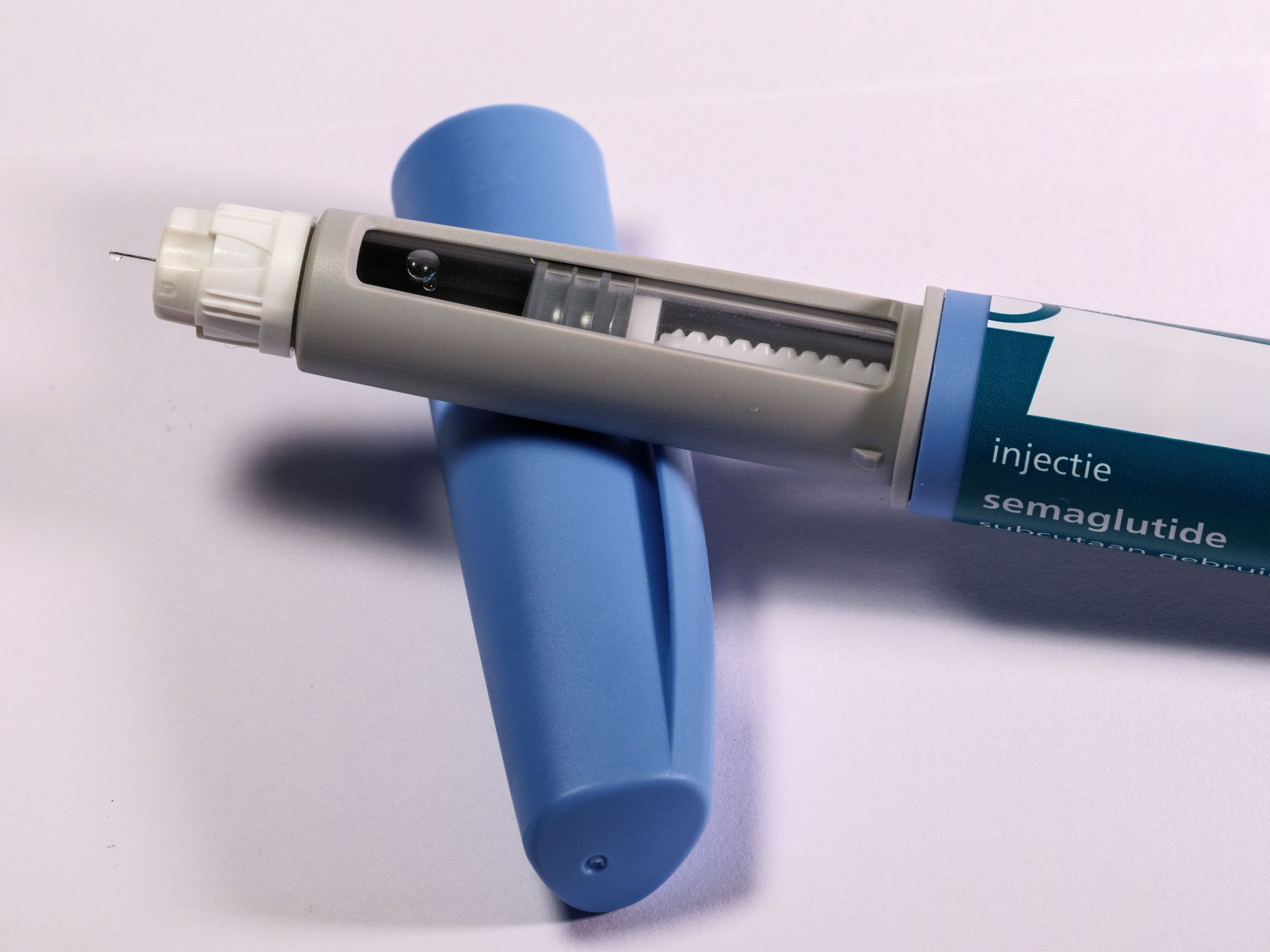
That is where insulin comes in. Think of insulin as a key that helps glucose move from your blood into your cells. With diabetes, that process does not work as it should. The good news? Understanding what is happening gives you a better starting point for taking care of yourself or someone you love.
What is diabetes, exactly?
When you eat foods with carbohydrates - from oatmeal and fruit to bread, beans, and desserts - your body breaks down much of that carbohydrate into glucose. Your pancreas makes insulin, a hormone that helps your cells take in glucose and use it for energy.
Diabetes develops when the body does not produce enough insulin, does not respond to insulin effectively, or both. In type 2 diabetes, insulin resistance is often part of the picture: the cells are not responding to insulin as well as they should, so sugar builds up in the blood.
Over time, blood sugar that stays too high can damage blood vessels and affect the heart, kidneys, eyes, and nerves. That sounds serious because it is - but it is also a reason to take small, practical steps now, rather than waiting for a health scare.
Six everyday habits that help support healthy blood sugar
1. Make room for balance at breakfast and beyond
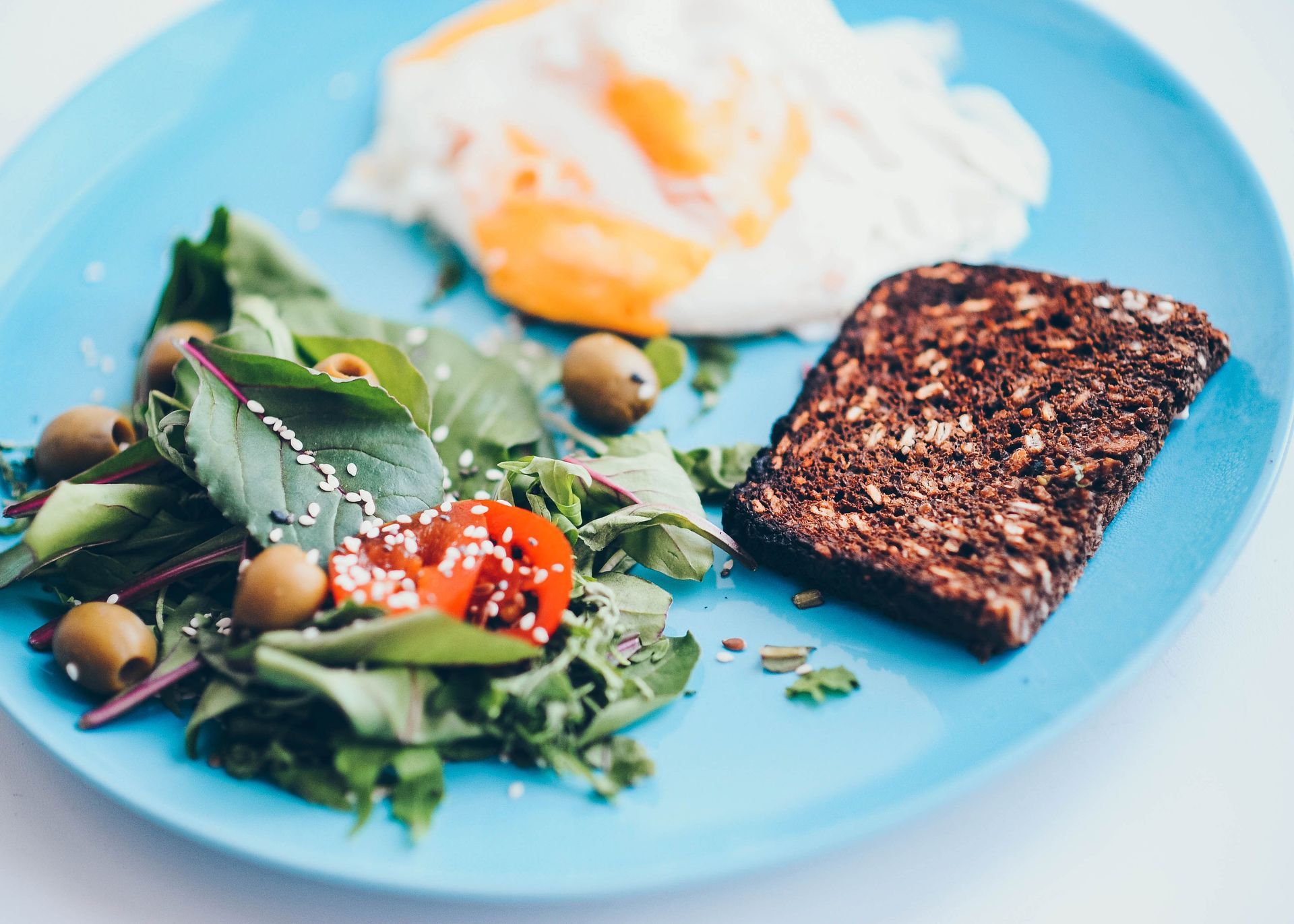
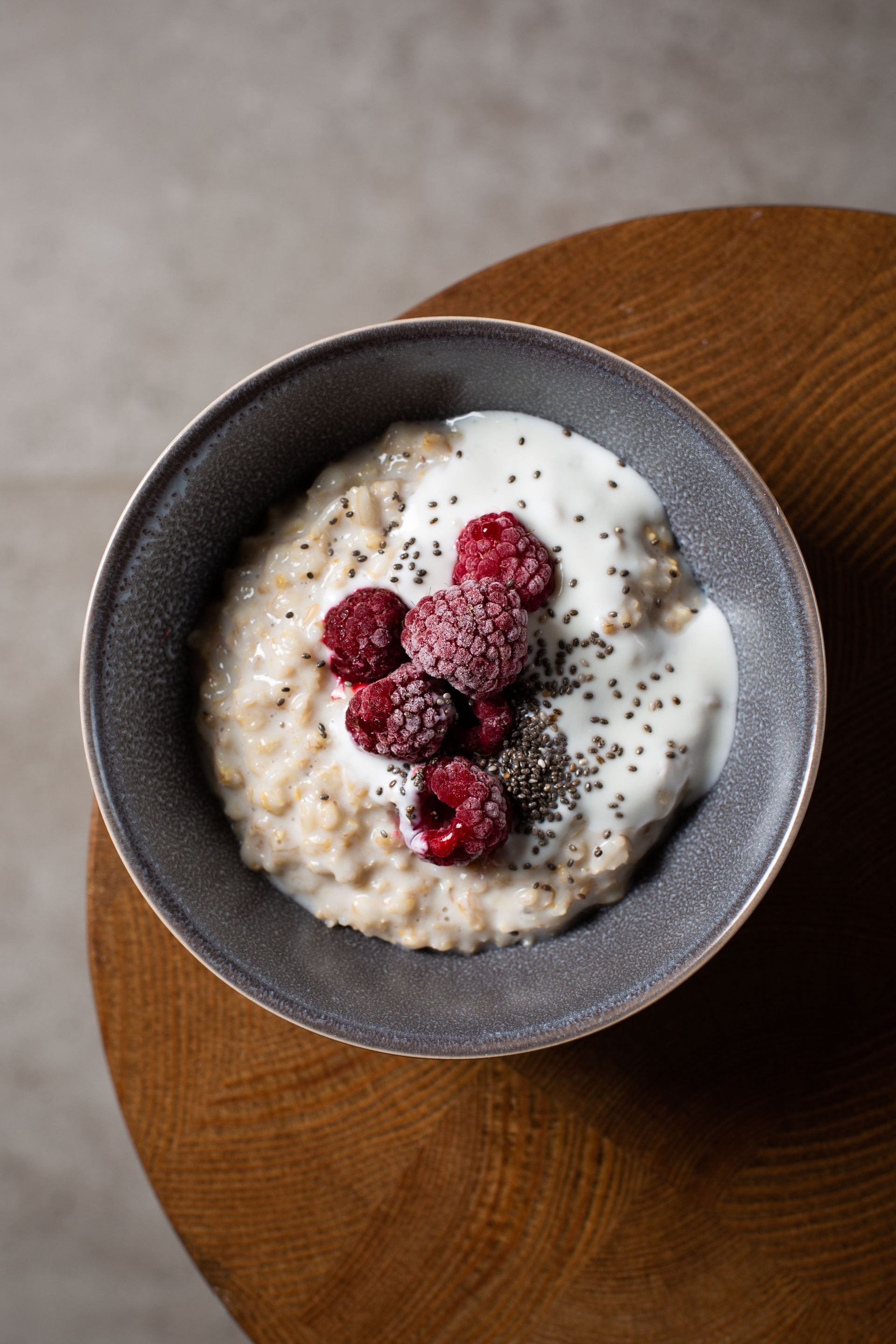
A breakfast made entirely of toast or a sweet pastry may leave you hungry again quickly. Try pairing carbohydrate foods with protein, fiber, or healthy fat instead: oatmeal with nuts, whole-grain toast with eggs, or fruit with plain yogurt. You do not need a perfect plate. You need a pattern you can repeat.
2. Find a meal routine that works for you
Going all day without much food and then eating a very large dinner can make blood sugar management harder for some people. Constantly grazing can also add up without giving you a satisfying meal. Aim for reasonably consistent, balanced meals and snacks based on your appetite, schedule, and treatment plan. If you eat late, consider whether a smaller, balanced option works better than a heavy meal right before bed.
3. Keep water within reach
Water is a simple, sugar-free way to stay hydrated. Keep a glass or reusable bottle where you will see it. Sweet tea, soda, and other sugary drinks can deliver a lot of carbohydrate quickly; choosing water or an unsweetened drink more often is an easy place to start. If you have a medical fluid restriction, follow your healthcare team's advice.
4. Take a little walk after you eat
A short walk or other light movement after a meal can help your muscles use glucose. Ten minutes around the block, a stroll through the house, or a few minutes of movement that fit your abilities all count. The best activity is one you can do safely and consistently.
5. Give stress some attention, too
Stress can affect blood sugar, sleep, and the choices we make when we are tired. A few slow breaths, a conversation with a friend, quiet time outdoors, or another calming routine may help. No, we cannot eliminate every stressful day. We can build a few helpful responses into it.
6. Enjoy favorite foods with a little strategy
You do not need to ban every carbohydrate or swear off birthday cake forever. Portions, food combinations, and how often you eat certain foods matter. More vegetables, high-fiber foods, and balanced meals can leave room for the foods you love - without turning every bite into a math problem.
Supporting an older parent? Keep the goal realistic.
If you help a parent or loved one with groceries or meals, aim for dependable habits rather than a total pantry makeover. Stock easy protein foods, keep vegetables and high-fiber options handy, and make mealtimes manageable. For older adults, getting enough nourishment and maintaining strength are just as important as paying attention to blood sugar.
If you have diabetes or prediabetes, ask your healthcare team what blood sugar goals, medications, and meal plan are right for you. Your needs may be different from a neighbor's - and that is perfectly normal.
Neighborly can help you turn good intentions into everyday meals
Healthy eating does not have to be another chore on your to-do list. Neighborly offers one-on-one nutrition counseling for adults who want practical help with food choices, blood sugar concerns, and meal planning. Whether you are planning for yourself or supporting an aging parent, a Neighborly dietitian can help you develop an approach that fits real life.
Explore Neighborly nutrition counseling for individualized support. Learn more about Meals on Wheels and Senior Cafes for meal services in Pinellas County. Call 727-573-9444 or email nutrition@neighborly.org to get started.
The bottom line
Blood sugar care is not about being perfect. It is about learning what works, building habits you can live with, and asking for support when you need it. That is a pretty good recipe for aging well.
Sources and further reading
Neighborly Spice of Life: What Is Diabetes? (November 2026 client handout)
American Diabetes Association, Standards of Care in Diabetes - 2026, Section 5
International Diabetes Federation: Insulin and diabetes
This article provides general nutrition education and does not replace medical advice tailored to your needs.
At Neighborly, Caring is at the Center of All We Do.