GLP-1 Medications After 60: How to Eat Well, Protect Muscle, and Feel Your Best
GLP-1 medications are having a moment. You may know names like Ozempic, Wegovy, Mounjaro, or Zepbound from TV commercials, doctor visits, or that one friend who suddenly has very strong opinions about cottage cheese.
These medications, and related medicines in the same general family, can help with conditions such as type 2 diabetes and weight management. They work partly by helping you feel full sooner and reducing cravings. That can be helpful, but it also means your usual eating routine may need a little tune-up.
For adults in their 40s, 50s, 60s, and 70s, the goal is not simply to “eat less.” The goal is to eat smart: enough protein to protect muscle, enough fiber to support digestion, enough fluid to stay hydrated, and enough overall nourishment to keep your body strong.
In other words: your appetite may shrink, but your body’s needs did not retire.
Why nutrition matters when taking a GLP-1 medicine
When appetite goes down, it can be tempting to skip meals or graze on whatever sounds easy. The problem is that eating too little, too often, can lead to weakness, fatigue, constipation, and loss of muscle. That matters at every age, but it becomes especially important as we get older and naturally become more vulnerable to muscle loss.
A good GLP-1 nutrition plan does not need to be fancy. It just needs to be consistent, balanced, and realistic enough to survive real life. No one needs a 17-step lunch plan that requires a mandoline slicer and emotional support.
1. Eat smaller balanced meals
If large meals no longer sound appealing, smaller meals can work beautifully. Think “small but mighty,” not “coffee and half a cracker.”
Aim to eat slowly every 3 to 4 hours while you are awake. Try not to skip meals, especially if you are losing weight quickly or feeling weak. A small balanced meal or snack might include:
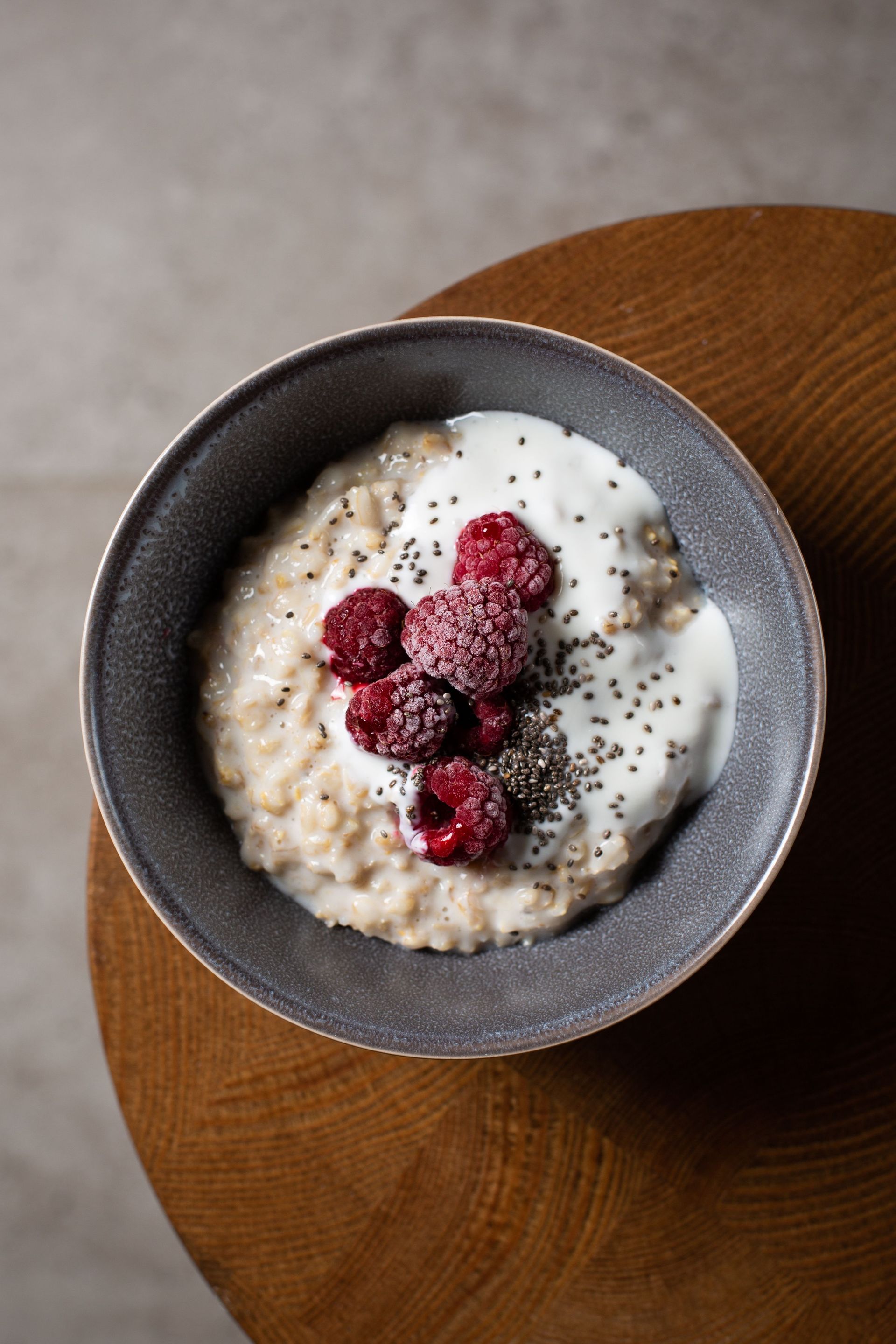
- Greek yogurt with berries and chia seeds
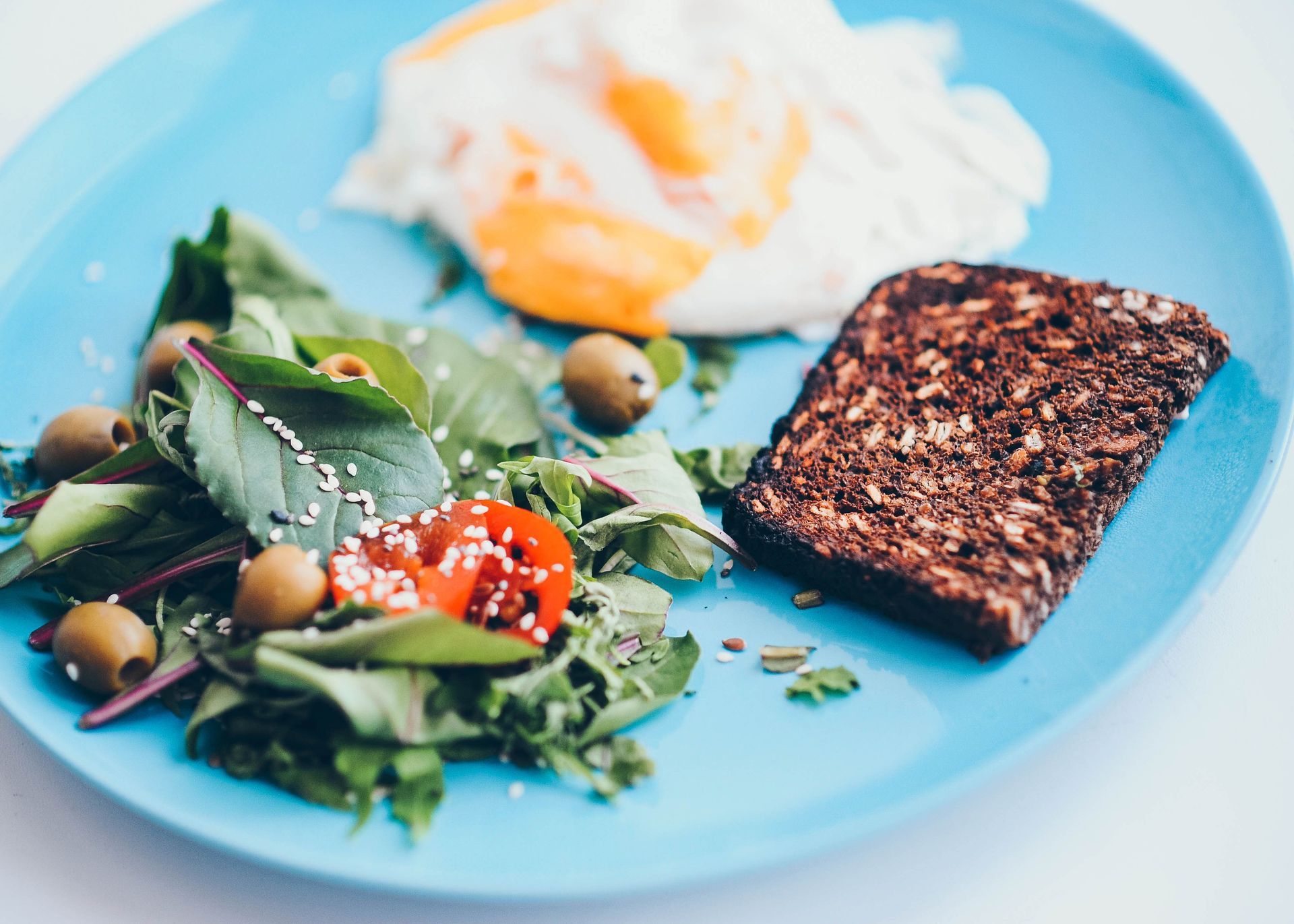
- Eggs with whole grain toast and fruit
- Tuna or chicken salad with whole grain crackers
- Bean soup with vegetables
- Cottage cheese with fruit
The goal is to give your body regular fuel without pushing past comfortable fullness. If your plate is waving a white flag, listen to it. Overeating while taking a GLP-1 medicine can make nausea or reflux worse.
2. Prioritize protein foods
Protein is one of the big “do not skip this” nutrients while taking a GLP-1 medicine. It helps protect muscle, supports healing, and can help you feel more satisfied. That does not mean you need to chew through a steak the size of a library book. It means building meals and snacks around protein foods you tolerate well.
Helpful options include:
- Chicken or turkey
- Fish such as salmon or tuna
- Eggs
- Greek yogurt
- Cottage cheese
- Beans and lentils
- Tofu or soy foods
If your appetite is low, start with the protein portion of your meal first. It is not rude to the broccoli. It is strategy.
3. Add fiber, but do it gently
Whole grains, beans, lentils, vegetables, fruits, nuts, and seeds can all help support digestion and regular bowel movements. Fiber also helps support blood sugar control and heart health.
However, if your stomach is feeling sensitive, ease in. A sudden jump from “barely any fiber” to “bean chili for breakfast, lunch, and dinner” may not win you any digestive awards. Start small, chew well, and increase gradually.
Simple fiber-friendly choices include oatmeal, whole grain toast, vegetables, berries, beans, lentils, and chia or flaxseed.
4. Drink water like it is part of the prescription
Hydration is easy to forget when your appetite and thirst feel lower. But getting enough fluid can help prevent constipation, support energy, and keep you feeling better overall.
Try practical reminders:
- Keep a water bottle where you can see it.
- Set a timer on your phone or smart watch.
- Drink a few sips after taking medications.
- Pair water with daily routines, like after brushing your teeth or before a walk.
Water is usually the best choice. If plain water feels boring, add lemon, cucumber, berries, or a splash of 100% juice. It still counts. Your water does not need to suffer from a personality crisis.
5. Keep moving to protect strength
Food is only one part of the plan. Daily movement helps maintain strength, bone health, energy, and digestion. Strength exercise is especially important because weight loss can include both fat and muscle if the body is not given enough protein and resistance training.
Aim for strength exercises 2 to 3 times per week if your health care provider says it is safe. This can be simple: chair stands, wall push-ups, light dumbbells, resistance bands, or supervised exercise. Walking is also a great daily habit, especially when paired with strength work.
You do not need to train like you are auditioning for a superhero movie. You just need to keep reminding your muscles that they are still employed.
6. Go easy on foods that may make side effects worse
Some foods can be more likely to trigger nausea, bloating, reflux, or blood sugar swings while taking a GLP-1 medicine. Everyone is different, but common culprits include:
- Fried or greasy foods
- Very high-fat meals
- Large portions of sugary foods or drinks
- Carbonated drinks
- Spicy foods, especially if you already have reflux
This does not mean your food life is over. It means paying attention. If a food makes you feel lousy, your body has submitted a customer service complaint. Take it seriously.
When to call your health care provider
GLP-1 medicines are prescription medications, and your health care provider should guide your care. Continue taking your regularly prescribed medications unless your provider tells you otherwise. Contact your provider if you have symptoms you are unsure about, ongoing vomiting, signs of dehydration, severe constipation, low blood sugar symptoms, dizziness, weakness, or rapid unintended weight loss.
If you have kidney disease, digestive conditions, diabetes, swallowing problems, or a history of unintended weight loss, it is especially important to get individualized guidance before making major changes to your eating pattern.
How Neighborly can help
Aging well is not about doing everything perfectly. It is about having the right support before small problems become big ones. Nutrition counseling can help older adults and caregivers make practical choices while taking GLP-1 medications, managing diabetes, recovering from illness, or trying to maintain strength and independence.
Neighborly’s nutrition counseling and meal services can help you or someone you love build meals that are balanced, realistic, and supportive of healthy aging. Whether you need help getting enough protein, staying hydrated, managing appetite changes, or finding meal support at home, Neighborly is here to help you take the next right step.
Take the next step
Visit neighborly.org to learn more about Neighborly nutrition counseling and meal services. You can also call 727-573-9444 or email nutrition@neighborly.org to connect with the Neighborly team.
Healthy eating + regular movement + the right medical care = a stronger, more confident you. And honestly, that is a pretty good side effect.
Source
This article was adapted from Neighborly’s September 2026 Spice of Life Nutrition Education Newsletter, “GLP-1 Medicines: A Guide for Adults 60+.”
At Neighborly, Caring is at the Center of All We Do.