How Sugar Works in Your Body: Simple Ways to Keep Blood Sugar Steady
Sugar has a reputation problem. Say the word and people picture candy bars, soda, and that one coworker who brings donuts right when you decided to “be good.” But sugar is not just something in desserts. It is part of how your body gets energy.
When you eat foods with sugar or carbohydrates—such as fruit, bread, rice, milk, beans, lentils, or sweets—your body breaks them down into glucose. Glucose enters your bloodstream and gives your body fuel to move, think, digest, garden, babysit, run errands, and remember where you put your reading glasses. Again.
The goal is not to panic every time you see a carbohydrate. The goal is to help sugar enter your bloodstream at a steadier pace. Think less roller coaster, more smooth Sunday drive.
Why Blood Sugar Goes Up and Down
Your blood sugar is affected by the types of foods you eat, when you eat them, and how much you eat. Some foods move into the bloodstream quickly. Others take their time, which is often a good thing.
Sugary drinks and highly processed sweets can absorb quickly, causing blood sugar to rise fast and then fall. That rise-and-drop pattern can leave people feeling tired, shaky, hungry, or ready to have a very serious conversation with the cookie jar.
Fiber-rich foods, on the other hand, slow things down. Whole grains, beans, vegetables, and whole fruit help sugar enter the blood at a more manageable pace. Pairing carbohydrates with protein, healthy fats, and fiber can make meals more satisfying and support steadier energy.
Four Simple Ways to Keep Blood Sugar Steadier
1. Choose fiber-rich carbohydrates more often.
Carbohydrates are not all the same. A bowl of beans and a sugary drink may both affect blood sugar, but your body handles them very differently.
Try choosing whole grains, beans, vegetables, and whole fruit more often. These foods bring fiber along for the ride, and fiber helps slow digestion. That means your body gets fuel without the dramatic spike-and-crash routine.
2. Pair carbohydrates with protein, healthy fats, and fiber.
A plain slice of toast may not keep you full for long. But toast with eggs, peanut butter, cottage cheese, avocado, or a side of fruit has more staying power.
The same idea works with many meals. Rice with chicken and vegetables, oatmeal with Greek yogurt and nuts, or beans with vegetables and olive oil can help create a more balanced plate. Your blood sugar likes teamwork.
3. Eat regularly throughout the day.
Skipping meals may seem harmless, especially when life gets busy. But going too long without eating can lead to becoming overly hungry, which makes it much easier to overeat at the next meal.
A regular meal pattern can help you feel more in control. It does not need to be perfect. Start with realistic meals and snacks that fit your routine, appetite, medications, and health goals.
4. Limit sugary drinks and highly processed sweets.
Liquid sugar moves quickly. Soda, sweet tea, juice drinks, and other sugary beverages can raise blood sugar fast because they do not require much digestion.
You do not have to swear off every sweet food forever. That plan usually lasts until the next birthday party. Instead, think about frequency, portion size, and what you pair sweets with. Small, intentional choices add up.
What Does a Blood-Sugar-Friendly Plate Look Like?
A steadier plate usually includes a mix of a high-fiber carbohydrate, protein, and healthy fat. Here are a few simple examples:
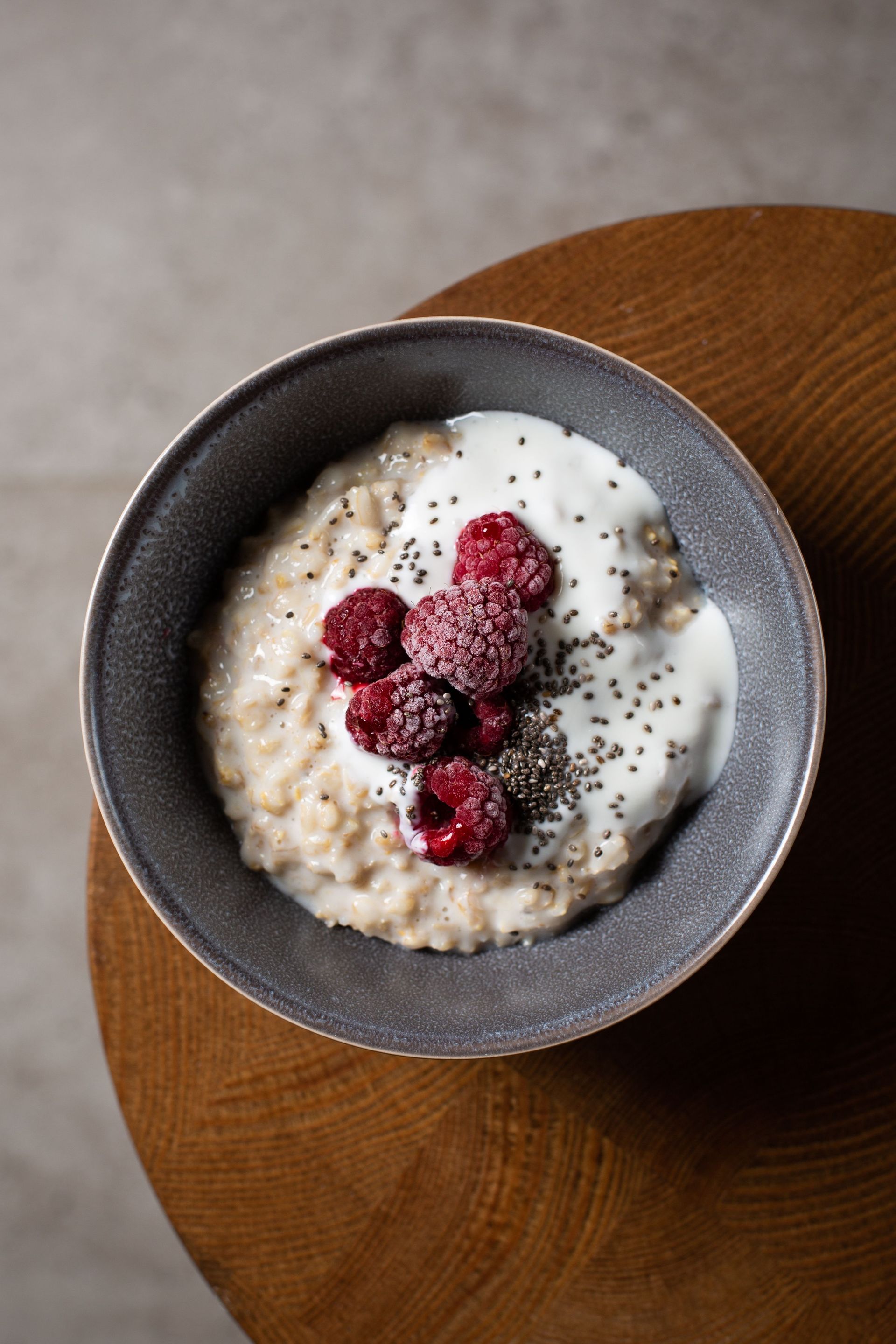
- Oatmeal with Greek yogurt, berries, and nuts or seeds
- Whole grain toast with eggs and fruit
- Brown rice or quinoa with salmon, chicken, beans, or lentils plus vegetables
- A bean and vegetable soup with whole grain crackers
- Cottage cheese with fruit and a small handful of nuts
Aging Well Starts Before There Is a Crisis
For adults in their 40s, 50s, 60s, and 70s, blood sugar is not just a “diabetes topic.” It is part of aging well. Steadier blood sugar can support energy, appetite control, and overall well-being. And the earlier you build habits that work for your life, the easier it is to stay independent and proactive about your health.
This is especially important for caregivers and family members. Helping an older adult eat regularly, include protein, choose fiber-rich foods, and stay hydrated may sound simple, but simple is often exactly what works. Nutrition does not need to be fancy to be effective. It just needs to be consistent enough to matter.
When to Get Personalized Help
If you have diabetes, prediabetes, kidney disease, trouble eating enough, unexpected weight loss, or take medications that affect blood sugar, personalized guidance matters. Your nutrition plan should fit your health conditions, medications, appetite, budget, culture, and real-life schedule.
A dietitian can help you sort through the noise and build meals that support your goals without turning every grocery trip into a science project.
How Neighborly Can Help
Neighborly is here to help older adults and caregivers feel more confident about nutrition, aging, and daily meals. Our nutrition counseling services can help you understand how food choices affect your health and how to build practical meals that support steadier blood sugar.
Neighborly meal services can also help make nutritious meals more accessible for older adults who may have difficulty shopping, cooking, or preparing balanced meals consistently.
To learn more about Neighborly nutrition counseling and meal services, visit neighborly.org, call 727-573-9444, or email nutrition@neighborly.org.
A Quick Note
This article is for general nutrition education and does not replace medical advice. If you have diabetes or take blood sugar medication or insulin, follow your healthcare provider’s recommendations and ask before making major diet changes.
Source note: Adapted from Neighborly’s October 2026 Spice of Life Nutrition Education Newsletter, “How Does Sugar Work in Our Bodies?”
At Neighborly, Caring is at the Center of All We Do.