Build a Hurricane-Ready Pantry That Actually Feeds You
A practical, no-panic guide to shelf-stable foods for hurricane season
Hurricane season has a way of turning even the calmest Floridian into a person who suddenly owns twelve flashlights, three battery packs, and one suspicious can of beets from 2017. Preparation is smart. Panic-buying foods you will never eat? Less smart.
A hurricane-ready pantry should do more than sit in a bin. It should help you eat balanced meals when the power is out, the fridge is questionable, or the grocery store shelves look like a competitive sport just happened there.
The goal is simple: stock nutritious, shelf-stable, easy-to-prepare foods that you would actually eat after hurricane season ends. Future you deserves better than emergency dinner that tastes like cardboard wearing a raincoat.
Quick pantry rule: Build a balanced shelf-stable plate with protein, fiber-rich carbohydrates, fruits and vegetables, healthy fats, and flavor boosters. Boring pantry food is not a requirement. It is just a lack of mustard.
1. Start with ready-to-eat protein
Protein helps meals feel satisfying and supports muscle health, which becomes even more important as we age. During storm season, choose options that do not require refrigeration or complicated cooking.
Good choices include low-sodium canned or pouch tuna, salmon, chicken, beans, and lentils. Canned beans are especially useful because they bring both protein and fiber to the party, which is exactly the kind of multitasking we appreciate in a pantry item.
- Low-sodium canned beans or lentils
- Tuna, salmon, or chicken packets
- Shelf-stable nut butters
- Protein bars
- Ready-to-eat protein options you already enjoy
2. Add fiber-rich carbohydrates
Carbohydrates are not the villain in this story. The trick is choosing higher-fiber options that provide steady energy and support digestive health.
A simple label-reading tip: aim for foods with at least 3 grams of fiber for every 15 grams of carbohydrates. That can help you spot better choices without needing a nutrition degree, a calculator, and a quiet room.
- Whole-grain crackers or bread
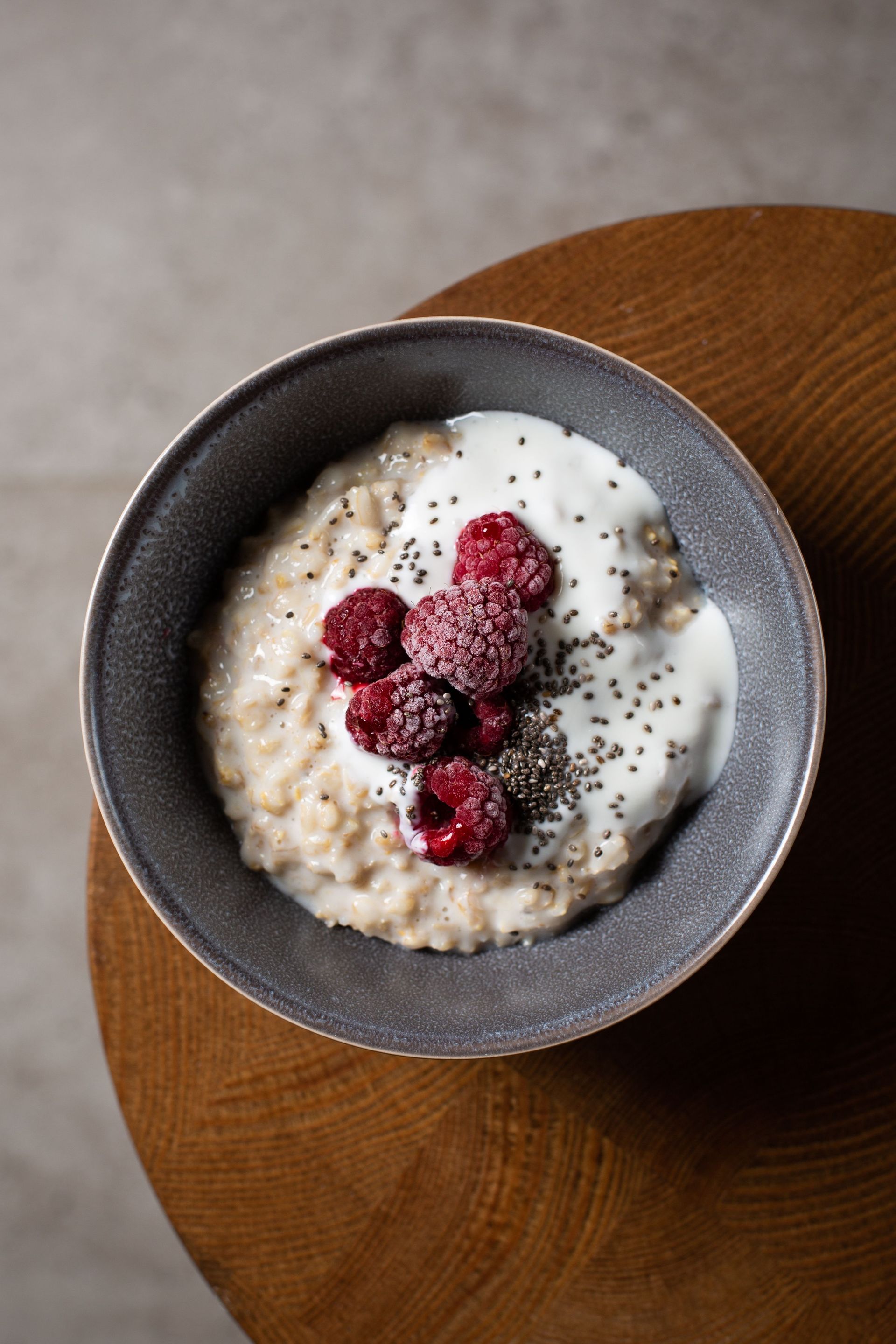
- Cereal, plain oatmeal packets or muesli
- Pre-cooked rice or quinoa packets
- Beans and lentils, because they count here too
3. Do not forget fruits and vegetables
When the power is out, fresh produce may not last long, but fruits and vegetables can still show up for dinner. Look for canned vegetables and fruit packed in water or 100% juice. Raisins and other dried fruits are compact, shelf-stable, and easy to add to oatmeal, trail mix, or a snack plate.
This is also where variety helps. A pantry with green beans, carrots, tomatoes, peaches, applesauce, and raisins gives you more options than a wall of identical cans purchased in a storm-prep trance.
- Canned vegetables
- Fruit packed in water or 100% juice
- Unsweetened applesauce cups
- Raisins or other dried fruit
4. Keep healthy fats, snacks, and flavor on standby
Healthy fats add calories, satisfaction, and flavor, which matters when meals are shelf-stable. Nuts, peanut butter, almond butter, and olive oil can turn a small meal into something that feels complete.
And please, do not underestimate flavor. Olive oil, vinegar, mustard, spices, and shelf-stable sauces can rescue canned food from tasting like it has given up on life. A little seasoning is the difference between “emergency meal” and “surprisingly decent lunch.”
- Almonds, walnuts, peanuts, or mixed nuts
- Peanut butter or other nut butters
- Olive oil and vinegar
- Mustard, spices, and shelf-stable sauces
A simple hurricane-ready pantry meal formula
When you are planning meals without power, think in combinations instead of complicated recipes:
Remember: Protein + fiber-rich carbohydrate + fruit or vegetable + healthy fat + flavor
- Tuna packet + whole grain crackers + canned vegetables + olive oil vinaigrette
- Canned beans + pre-cooked rice packet + canned tomatoes + spices
- Oatmeal packet + raisins + peanut butter + shelf-stable milk, if available
This approach helps you build meals that are more balanced and more satisfying than a random snack parade. Although, to be fair, snack parades do have their moments.
Buy what you will actually eat
Here is the most underrated hurricane pantry advice: choose foods you like. If you hate canned peas in June, you will not magically become a canned pea enthusiast during a tropical storm. Stock items that fit your usual meals, your health needs, and your budget.
After hurricane season, rotate those foods into regular meals so nothing gets wasted. Replace what you use, check expiration dates, and keep your pantry ready without starting from scratch every year.
What about special diets?
If you are managing diabetes, high blood pressure, kidney disease, chewing difficulties, poor appetite, or unplanned weight changes, pantry planning may need a more personal touch. For example, someone watching sodium may need different canned food choices than someone who needs higher-calorie snacks to maintain weight.
That is where a dietitian can help. A personalized plan can make hurricane prep feel less like guessing and more like having a calm, capable person in your corner with a grocery list.
Neighborly can help you stay nourished
Need help building a pantry that fits your health goals, budget, and real life? Your Neighborly dietitian can help with nutrition counseling, and Neighborly meal services can support older adults who need convenient, nutritious meals in Pinellas County.
Need a backup meal plan before the storm clouds start acting dramatic? Neighborly can help. Our shelf-stable hurricane meals are designed to give older adults and caregivers one less thing to worry about when severe weather is on the way. These ready-to-eat meals help support nutrition, safety, and peace of mind when power, transportation, or grocery trips may be disrupted.
Learn more or get connected at neighborly.org, call (727) 573-9444, or email nutrition@neighborly.org.
Source:
Based on the Neighborly Care Network “Spice of Life” Nutrition Education Newsletter for June 2026: “Hurricane-ready Pantry: Fuel Your Body and Be Prepared.”
At Neighborly, Caring is at the Center of All We Do.